Politics
California Infrastructure and Jobs Bills Move Through Sacramento, With Direct Consequences for Long Beach
Several active measures in the state legislature this session target port employment, transit funding and workforce training, each carrying specific dollar amounts and timelines that will shape daily life in Long Beach.
How we reported this
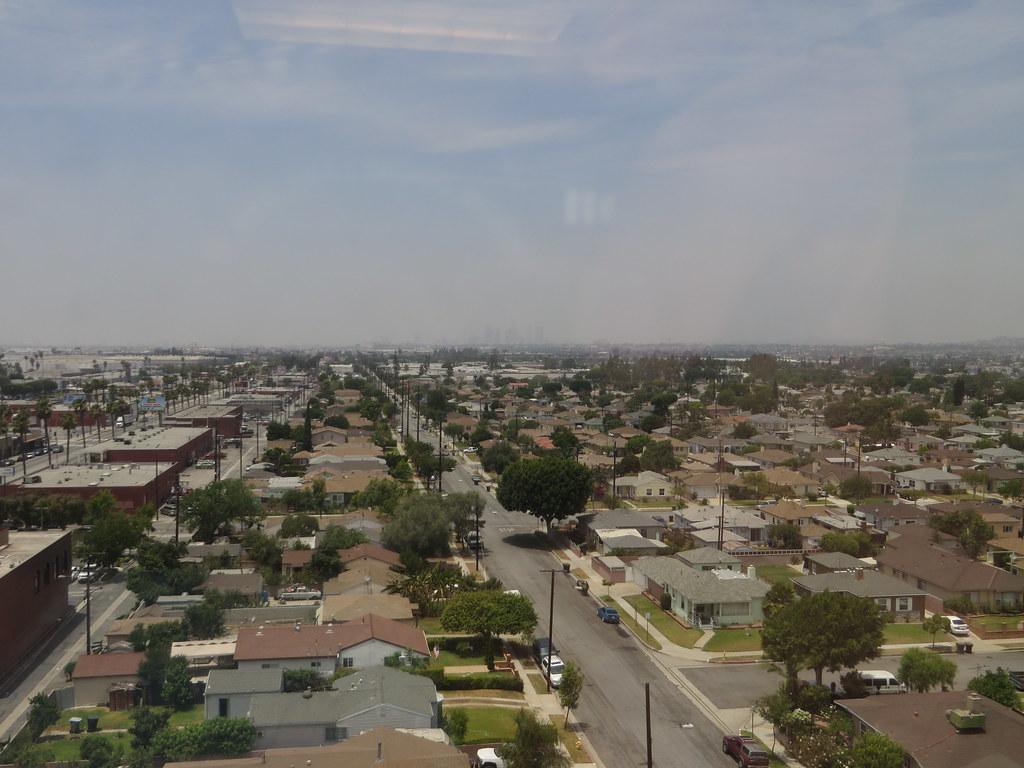
A cluster of California bills advancing through the state legislature this summer stand to reshape employment conditions, public transit operations and infrastructure spending in Long Beach, a city of roughly 460,000 people whose economy is anchored by the Port of Long Beach, the second-busiest container port in the United States. Assembly Bill 1322 and Senate Bill 872, both currently in appropriations committees, carry funding provisions that state budget analysts project will flow directly to Southern California's port corridor and transit networks before the end of fiscal year 2027.
The timing matters because Long Beach is simultaneously managing two pressures that have been building since 2024. Automation at the port terminals has displaced an estimated 1,500 longshore and logistics jobs over the past three years, according to figures cited by the California Employment Development Department. At the same time, Long Beach Transit has been operating under a structural funding shortfall of roughly $14 million annually since federal pandemic relief expired in 2025. Both problems put residents on the same collision course: fewer good-paying jobs and reduced bus and rail service at a moment when many households cannot easily absorb either hit.
What the Bills Actually Do
AB 1322, authored in the Assembly's Labor and Employment Committee, would allocate $180 million statewide from the California Climate Commitment bond proceeds for port-adjacent workforce retraining centers. The legislation designates the San Pedro Bay ports complex, which includes the Port of Long Beach, as a Tier 1 priority zone, meaning local programs would be first in line for grant disbursements. The bill sets a minimum wage floor of $25 per hour for jobs created through funded programs, a figure modeled on the existing longshore wage structure. Policy analysts at the Los Angeles County Economic Development Corporation have noted that a Tier 1 designation could funnel between $30 million and $45 million specifically to Long Beach-area training facilities, though the state Department of Finance has not yet certified that range as an official projection.
SB 872 addresses transit differently. The measure would revise the formula the state uses to distribute funds from the Transit and Intercity Rail Capital Program, weighting allocations more heavily toward systems with high ridership per route mile. Long Beach Transit, which logged approximately 28 million boardings in fiscal year 2025 according to its annual performance report, would move up in the distribution queue under the revised formula. The Long Beach City Council was briefed on the bill's potential in May 2026, and city budget staff are expected to present a formal revenue estimate to council members later this month.
What Residents Should Watch For
For Long Beach residents, the practical consequences fall into three categories. Workers displaced by port automation could gain access to funded retraining in logistics technology, crane maintenance and supply-chain software, with courses expected to run through Long Beach City College's workforce division under any AB 1322 grant agreement. Bus riders on the 60 Freeway and Pacific Coast Highway corridors, two of Long Beach Transit's busiest lines, could see service frequency restored if SB 872 delivers the additional revenue the city is projecting. And construction workers may find new work if a separate infrastructure measure, AB 988, which earmarks $620 million statewide for stormwater and green infrastructure projects, advances to a full floor vote before the legislature's September 12 deadline.
AB 988 is the least certain of the three bills. It passed the Assembly Natural Resources Committee in June but faces cost concerns in the Appropriations Committee that could delay or reduce its allocation. Long Beach's stormwater separation project along the Los Angeles River estuary, a multi-year effort to prevent urban runoff from contaminating recreational beaches, is listed among the priority projects eligible under the bill's criteria, city public works documents confirm.
The California legislature must pass its full budget implementation package by September 12, 2026, the constitutional deadline for fiscal bills. Long Beach city staff are tracking all three measures and are expected to update the City Council's Economic and Property Development Committee in August with revised estimates tied to whatever language survives the appropriations process. Residents can monitor bill status through the legislature's public tracking portal at leginfo.legislature.ca.gov.